Data & Insight
K-DIA Turns Clinic Activity Into Operational Signals
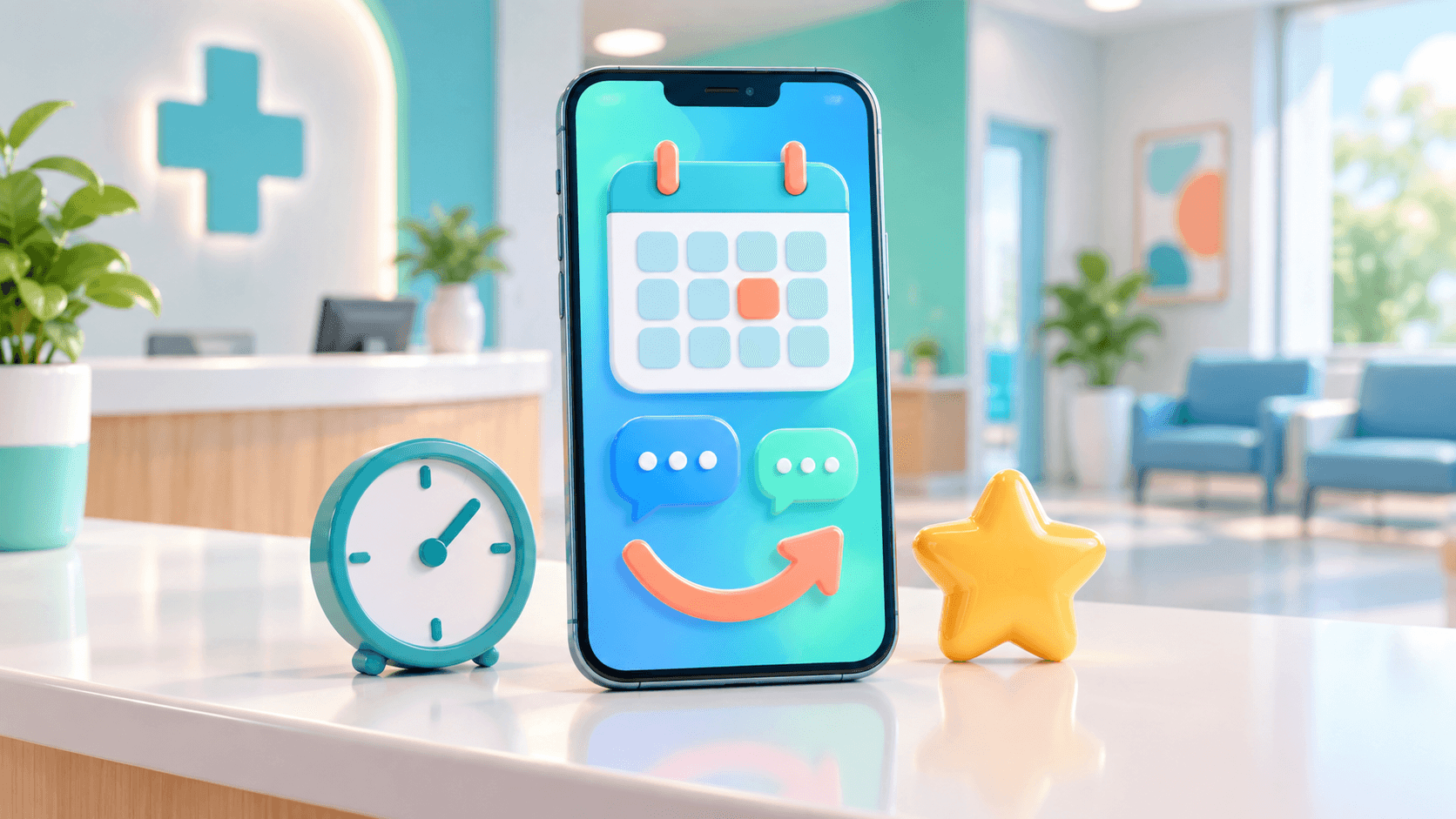
A clinic does not run only on appointments. It runs on signals: when patients book, where questions slow down, which reviews need follow-up, and whether revisit opportunities are visible before they fade.
K-DIA is built around that reality. It is a patient-and-clinic app from DIA/AD that connects everyday patient actions with the clinic’s operational view, helping directors see the flow behind the front desk, consultation room and revisit cycle.
The App Becomes the Clinic’s Operating Layer
Many plastic surgery, dermatology and dental clinics already use digital tools. The problem is that booking, messaging, reviews and CRM often sit in separate places.
K-DIA brings those touchpoints into one app-centered flow. Patients can book, receive reminders, ask questions, leave reviews and reconnect for revisits while the clinic reads those interactions as operational signals.
This matters because digital health is no longer just a technology topic. WHO and OECD both treat digital health as part of how healthcare systems organize access, information and service delivery.
For a clinic director, the practical question is simpler: can the team see what is happening before it becomes a missed booking, unanswered inquiry or quiet drop-off?
Reservation Density Shows the Shape of Demand
K-DIA’s one-tap booking feature makes the appointment path lighter for the patient. Instead of turning intent into a phone call or scattered message thread, the patient can act inside the app.
For the clinic, the value is not only convenience. Booking activity becomes easier to read by time slot, service category and patient movement.
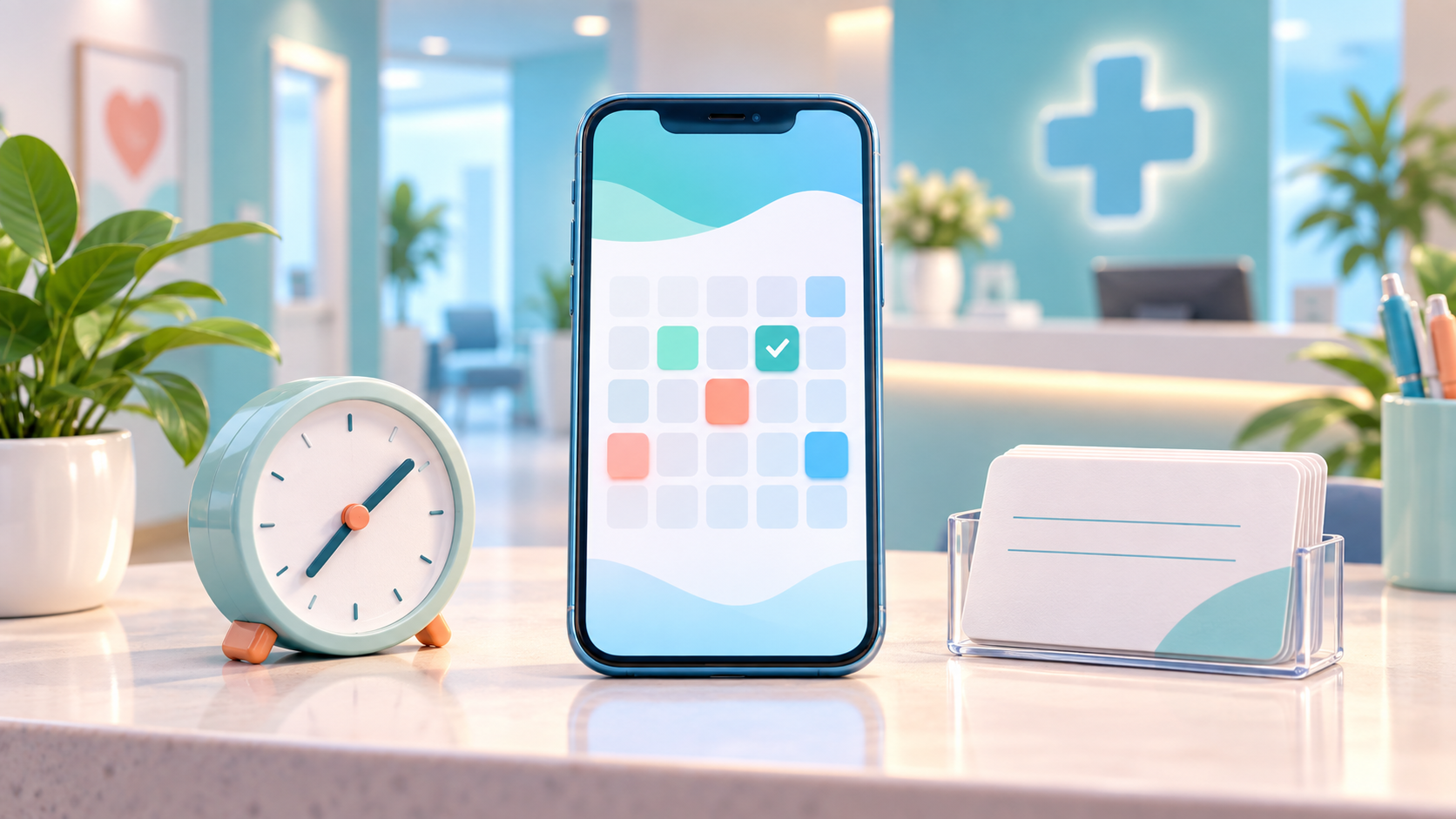
Reminders also change the rhythm of front-desk work. A reminder sent through the app can reduce repetitive manual contact and help the team keep the appointment flow visible.
K-DIA does not need to promise a specific business result to be useful. Its value is that reservation demand, reminders and schedule friction become observable inside a shared workflow.
Table: How K-DIA turns booking activity into clinic signals
| Patient action | K-DIA feature | Operational signal for the clinic |
|---|---|---|
| Books an appointment | One-tap booking | Which time slots and services are drawing intent |
| Receives a reminder | App reminder flow | Where confirmation and attendance management need attention |
| Changes or delays a booking | Schedule interaction history | Where front-desk coordination may be strained |
| Returns after a previous visit | Revisit and CRM flow | Which patient groups are moving back into the clinic journey |
Directors evaluating a patient platform should look beyond whether booking is digital. The stronger question is whether booking activity helps the clinic understand its own operating pattern.
That is where the K-DIA patient-and-clinic platform becomes more than a reservation screen. It becomes the first layer of operational intelligence.
Consultation Flow Becomes Easier to Manage
Patient questions often arrive before and after a visit. If those questions are split across phone calls, messenger apps and staff notes, the clinic loses context.
K-DIA’s in-app consultation and messaging function gives the clinic a more coherent communication path. The patient has a familiar place to ask, and the team has a clearer record of the exchange.
This is especially relevant for clinics serving patients who compare providers carefully. In aesthetics, dermatology and dental care, patient decisions often involve timing, preparation, cost range, availability and follow-up logistics.
K-DIA keeps the conversation operational. It supports communication, coordination and continuity without making claims about treatment results.
The director can also see whether inquiries are concentrated around certain services, steps or patient groups. That turns conversation volume into a signal for staffing, response templates and front-desk training.
Reviews Are Not Just Reputation Assets
Reviews are usually discussed as marketing. For a clinic director, they are also workflow feedback.
K-DIA’s review collection feature helps clinics invite and organize patient feedback inside the same app environment. The goal is not to manufacture praise, but to make feedback easier to collect, monitor and respond to.
A review may point to appointment convenience, waiting experience, explanation clarity or follow-up contact. These are operational issues, not clinical outcome claims.
When review flow is connected to patient activity, the clinic can respond with better context. The team can see whether feedback is tied to a first visit, repeat visit or consultation-heavy journey.
That makes review management more disciplined. Instead of reacting only when a public comment appears, the clinic can build a habit of listening through the app.
Revisit Movement Belongs in the Same System
A revisit is often the result of timing, trust, reminder quality and patient convenience. If revisit management is handled manually, the clinic may not notice where patient movement slows.
K-DIA’s CRM and revisit features help the clinic keep patient relationships visible after the first appointment. The app can support structured follow-up, revisit prompts and patient segmentation by operational status.
This does not mean pressuring patients. It means the clinic has a clearer way to manage appropriate communication and continuity.
For directors, the important point is that revisit movement should not live in a spreadsheet detached from booking and consultation history. It should sit beside the patient’s actual app interactions.
Table: From separate tasks to connected patient operations
| Clinic task | Without an app-centered flow | With K-DIA |
|---|---|---|
| Booking | Managed as isolated schedule entries | Connected to reminders and demand patterns |
| Consultation | Spread across disconnected channels | Organized through in-app messaging |
| Reviews | Collected irregularly | Linked to patient engagement flow |
| Revisit management | Dependent on manual tracking | Supported through CRM and follow-up visibility |
| Foreign patient contact | Requires extra channel coordination | Supported by multilingual app touchpoints |
This is where K-DIA becomes a director’s dashboard in a practical sense. It does not replace professional judgment; it gives the clinic a cleaner operating view.
Multilingual Flow Supports International Patients
Korea continues to be an important destination for foreign patients, and institutions such as KHIDI provide public information around international patient attraction. For clinics working with medical-tourism partners, communication design matters.
K-DIA’s multilingual support helps foreign patients move through booking, consultation, reminders and follow-up with less dependence on improvised channel switching.
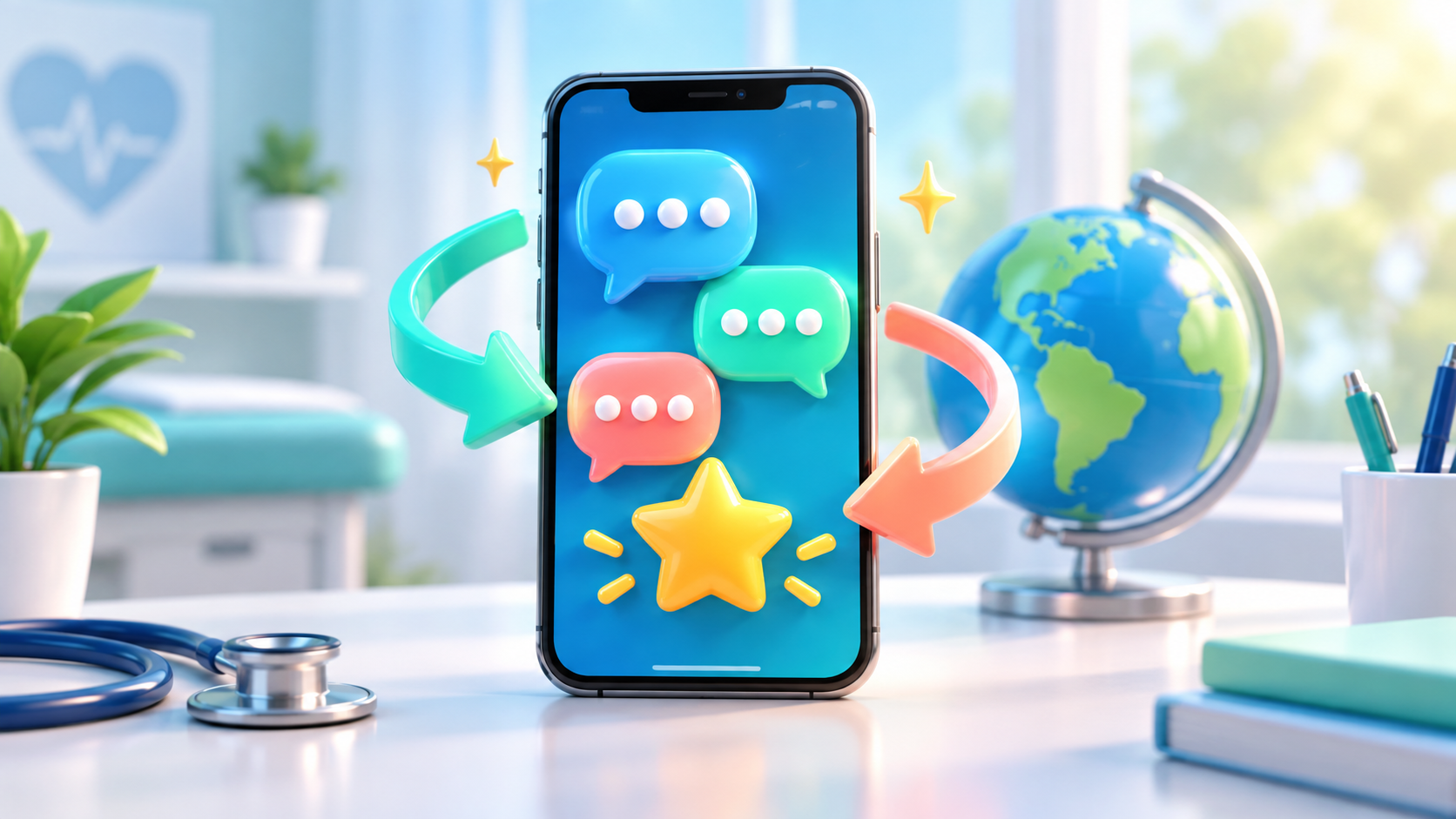
For the clinic, multilingual support is not just a translation feature. It reduces the number of handoffs required to maintain a consistent patient journey.
International patients often need clarity around timing, location, preparation, documentation and follow-up communication. K-DIA gives the clinic a dedicated app path for those operational touchpoints.
That makes the app relevant not only to the director, but also to coordinators, front-desk teams and medical-tourism operators managing cross-border patient communication.
Operational Insight Comes From Daily Activity
A dashboard is only useful when it reflects the work actually happening. K-DIA’s operational insight layer is built from the app actions patients and staff already take.
Reservation density, consultation volume, review movement, revisit status and multilingual contact points become signals the director can read together. This is different from reviewing scattered reports after the fact.
The clinic can use those signals to ask sharper management questions. Are certain time slots consistently pressured? Are consultation questions clustering around the same stage? Are revisit prompts visible enough to the team?
These are management questions, not medical claims. K-DIA helps organize the evidence of daily clinic operations so directors can make more informed decisions about process, staffing and communication.
Clinics considering implementation can start by mapping where patient actions currently disappear from view. A K-DIA implementation consultation can then focus on the workflows that matter most: booking, messaging, reviews, revisits, multilingual support and insight.
K-DIA is designed for clinics that want the patient app and the director’s operating view to move together. When everyday activity becomes visible as signals, the clinic can manage with less guesswork and a more connected patient experience.
よくある質問
Is K-DIA mainly a booking app?
Booking is one core feature, but K-DIA also supports reminders, in-app consultation, review collection, revisit CRM, multilingual communication and operational insight.
Can K-DIA be used for foreign patients?
Yes. K-DIA includes multilingual support so clinics and medical-tourism operators can manage booking, communication and follow-up touchpoints more consistently.
Does K-DIA make medical outcome claims?
No. K-DIA is positioned as a clinic operations and patient communication platform, not as a tool that claims or guarantees treatment results.
What should a clinic review before adopting K-DIA?
Start with workflow gaps: missed booking context, scattered inquiries, inconsistent review collection, manual revisit tracking and foreign-patient communication handoffs.
参考資料
関連記事
Data & Insight
K-DIA Booking Conversion Insights: From Today’s Appointments to Tomorrow’s Clinic Flow
See how K-DIA connects booking, reminders, consultation, reviews, CRM, multilingual support, and clinic insight in one patient journey.
Data & Insight
K-DIA Booking Conversion Insights: See the Journey Beyond Today’s Appointment
See how K-DIA connects booking, consultation, visits, reviews, and revisits so clinic operators can manage each patient journey with clearer operational context.
Data & Insight
How K-DIA Turns Patient Flow Data Into Clinic Operations Insight
See how K-DIA connects booking, consultation, reviews, revisit CRM, multilingual communication, and reports into one clinic operations flow.