Data & Insight
K-DIA Shows Clinic Directors Next Week’s Appointment Demand at a Glance
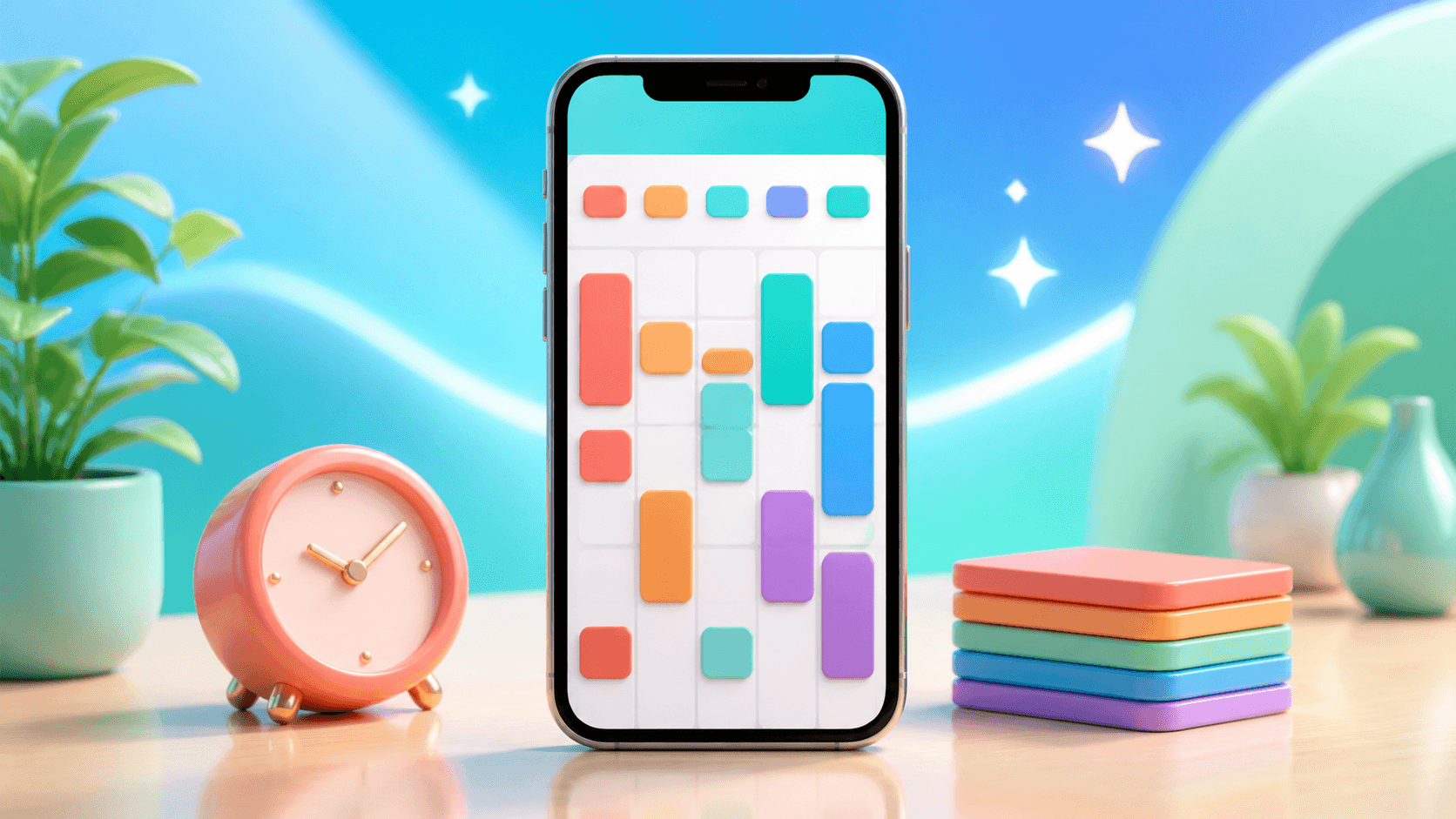
A clinic director does not need another fragmented dashboard. What matters is a clear view of how next week is shaping up: where demand is concentrated, where the schedule is open, and which patient communications still need attention.
K-DIA is built around that daily operating question. It connects patient booking, reminders, in-app consultation, reviews, revisit management, CRM and multilingual communication in one app, so appointment activity becomes something a director can actually read and act on.
From Appointment Records to an Operating View
Most clinics already have appointment data. The problem is that it often sits in separate channels: phone notes, messenger threads, spreadsheets, reception calendars and review platforms.
K-DIA brings the patient-and-clinic workflow into one connected app experience. Patients can book, receive reminders, consult through in-app messaging, leave reviews and manage revisits, while the clinic sees the operational pattern behind those actions.
For a plastic-surgery, dermatology or dental clinic, this matters because the schedule is not just a calendar. It affects reception workload, coordinator follow-up, interpreter needs, revisit timing and the director’s understanding of patient flow.
Global health organizations have also emphasized that digital health is not only about remote care; it includes better use of information systems and connected services. K-DIA applies that idea to the practical rhythm of a clinic, keeping the focus on workflow rather than clinical claims.
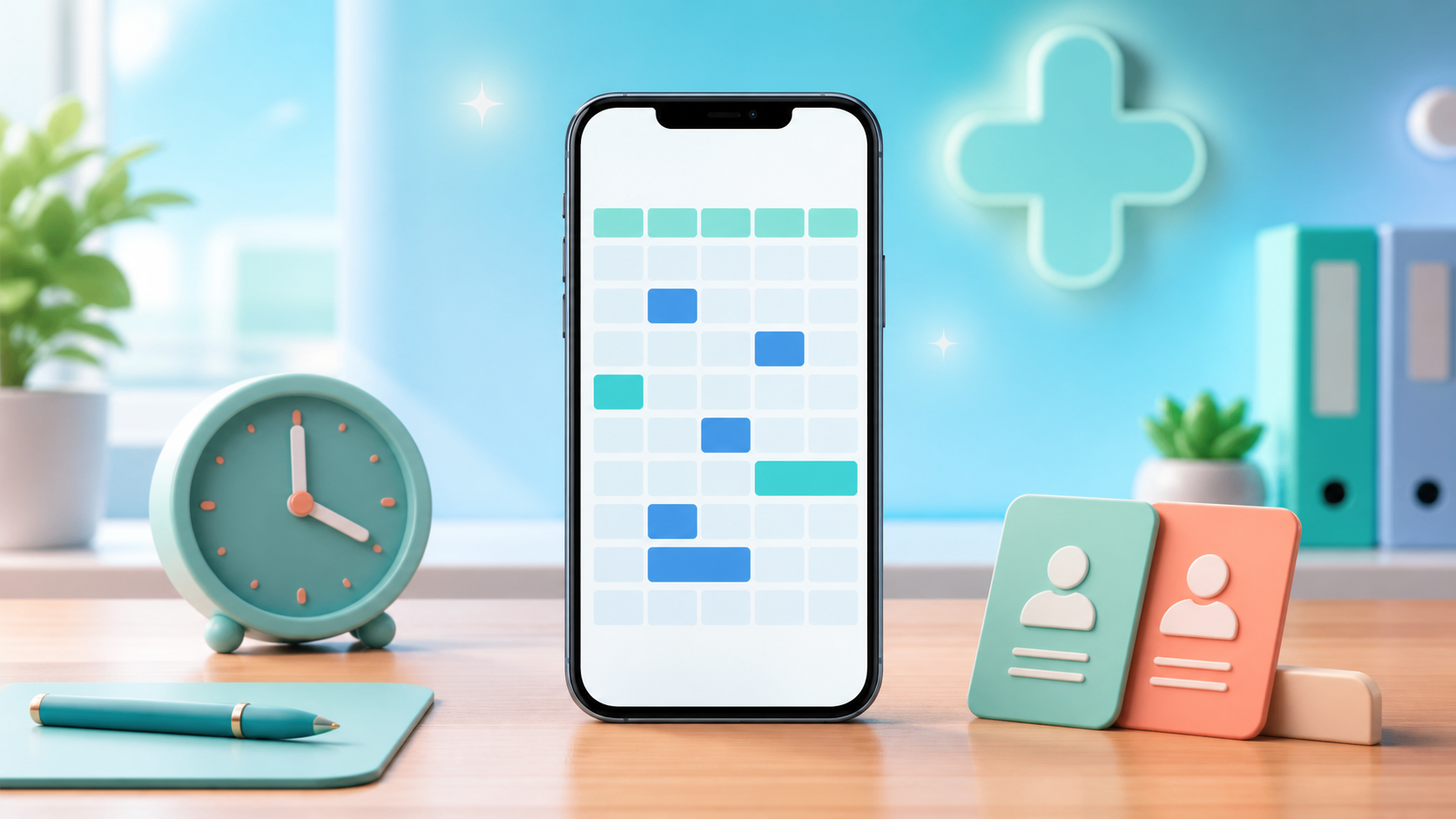
Reservation Density Makes the Week Easier to Read
A weekly calendar becomes more useful when it shows density, not just individual slots. K-DIA helps the director see which time blocks are filling up and which still have room.
That view can support more specific internal conversations. Instead of asking whether next week “looks busy,” the director can review where demand is concentrated and where the team may need tighter coordination.
For example, a clinic may notice heavy booking around late afternoon consultation windows, while mid-morning has more availability. K-DIA does not decide staffing for the clinic, but it gives the director and team a clearer basis for discussing reception coverage, consultation flow and follow-up timing.
Table: What K-DIA turns schedule activity into
| Clinic signal | What K-DIA helps show | Operational use |
|---|---|---|
| Appointment concentration | Dense and open time blocks | Review busy periods before the week starts |
| Reminder status | Patients who need schedule confirmation | Reduce manual follow-up blind spots |
| In-app consultation flow | Messages connected to patient context | Keep coordination inside one workflow |
| Revisit activity | Patients due for follow-up contact | Support CRM and retention operations |
The point is not to make the clinic run by numbers alone. It is to make the director’s judgment sharper by placing current appointment movement in one visible structure.
Booking, Reminders and Messaging Stay in the Same Patient Flow
Schedule management becomes harder when booking happens in one place, reminders in another and patient questions somewhere else. K-DIA is designed to keep those steps connected.
One-tap booking reduces friction for patients who are ready to reserve a visit. Automated reminders help the clinic keep appointment communication consistent without relying only on manual calls.
In-app consultation and messaging are especially important for clinics with high inquiry volume. Coordinators can handle schedule-related questions, preparation notices and visit logistics in a patient-linked channel, rather than losing context across scattered conversations.
For international clinics and medical-tourism operators, this connected flow becomes even more valuable. Multilingual support helps foreign patients understand booking and communication steps more clearly, while the clinic can keep the operational record inside the same platform.
Directors evaluating the K-DIA patient-and-clinic app should look at it as a daily operating layer. It is not simply a booking tool; it is a connected path from reservation to communication to revisit management.
Reviews, Revisits and CRM Complete the Loop
An appointment does not end when the patient leaves the clinic. For many aesthetic, dermatology and dental clinics, follow-up communication and revisit management are part of the operating rhythm.
K-DIA connects appointment activity with review collection and CRM. That means the clinic can treat reviews, revisits and patient communication as related parts of the same service journey.
The app helps the team see which patients may need revisit communication, which interactions are ready for review collection and where follow-up work is accumulating. This supports a more organized patient relationship process without making promises about medical outcomes.
Table: How connected K-DIA features support clinic operations
| K-DIA feature | Patient-side experience | Clinic-side benefit |
|---|---|---|
| One-tap booking | Easier reservation request | Cleaner schedule intake |
| Reminders | Clearer appointment communication | More consistent confirmation workflow |
| In-app messaging | Questions handled in-app | Less scattered patient context |
| Review collection | Simple post-visit feedback path | More organized reputation workflow |
| Revisit and CRM | Follow-up communication stays visible | Better continuity in patient management |
| Multilingual support | Easier communication for foreign patients | Smoother international patient handling |
This is where K-DIA becomes more than a front-desk convenience. It gives the director a broader view of how appointment demand, patient communication and retention work are moving together.
Data Insight Without Turning the Clinic Into a Spreadsheet
Operational data is useful only when the clinic can interpret it quickly. Directors do not need every staff member to become an analyst; they need the right patterns to be visible at the right time.
K-DIA turns everyday actions into practical signals: booking volume by time block, reminder flow, message activity, revisit timing and review collection status. These signals help the director understand workload before it becomes a same-day scramble.
This aligns with the broader digital-health direction described by organizations such as WHO and OECD: better use of digital information can support more organized health-service delivery. In K-DIA, that idea becomes a clinic-level operating view.
For a clinic director, the value is concrete. The app helps make next week’s schedule visible, makes patient communication easier to coordinate and links routine activity to management insight.
Built for Clinics That Serve Both Local and Foreign Patients
Korea’s plastic-surgery, dermatology and dental clinics often serve a mixed patient base. Local patients may want fast booking and clear reminders, while foreign patients may need multilingual communication and smoother pre-visit coordination.
K-DIA is useful because it does not treat these as separate operations. Booking, messaging, review collection, revisit management and CRM stay connected in one patient-and-clinic platform.
For medical-tourism operators, that structure can help align front-desk teams, coordinators and managers around the same patient flow. For clinic directors, it creates a clearer way to inspect demand and communication status without jumping between tools.
A clinic considering digital operations should not start with abstract transformation language. It should start with the week ahead: which slots are busy, which patients need communication, which revisits need attention and which parts of the workflow are still invisible.
K-DIA is designed to put those answers closer to the director. To discuss how the platform could fit your clinic’s current workflow, you can request a K-DIA implementation consultation.
FAQ
Is K-DIA only an appointment booking app?
No. Booking is one part of K-DIA, but the app also connects reminders, in-app messaging, reviews, revisit management, CRM, multilingual patient communication and operational insight.
How can K-DIA help a clinic director review next week’s demand?
K-DIA helps turn appointment records into a visible operating view, so the director can see busy and open time blocks before the week begins.
Does K-DIA make claims about treatment results?
No. K-DIA is focused on clinic operations, patient communication, scheduling, retention workflow and data insight. It does not make clinical efficacy or outcome claims.
Is K-DIA relevant for clinics serving foreign patients?
Yes. Its multilingual communication support can help clinics coordinate booking, reminders and patient messages more clearly for international patients.
What sources informed the industry context in this article?
World Health Organization - Digital Health: https://www.who.int/health-topics/digital-health; OECD - Digital health: https://www.oecd.org/health/digital-health.htm; Ministry of Health and Welfare: https://www.mohw.go.kr
Sources
Related articles
Data & Insight
K-DIA Turns Clinic Activity Into Operational Signals
How K-DIA connects bookings, consultations, reviews, revisits, multilingual patient flow and clinic insight in one operational app.
Data & Insight
K-DIA Booking Conversion Insights: From Today’s Appointments to Tomorrow’s Clinic Flow
See how K-DIA connects booking, reminders, consultation, reviews, CRM, multilingual support, and clinic insight in one patient journey.
Data & Insight
K-DIA Booking Conversion Insights: See the Journey Beyond Today’s Appointment
See how K-DIA connects booking, consultation, visits, reviews, and revisits so clinic operators can manage each patient journey with clearer operational context.