Patient Journey
K-DIA In-App Messaging Keeps the Clinic Experience Connected Beyond the Waiting Room
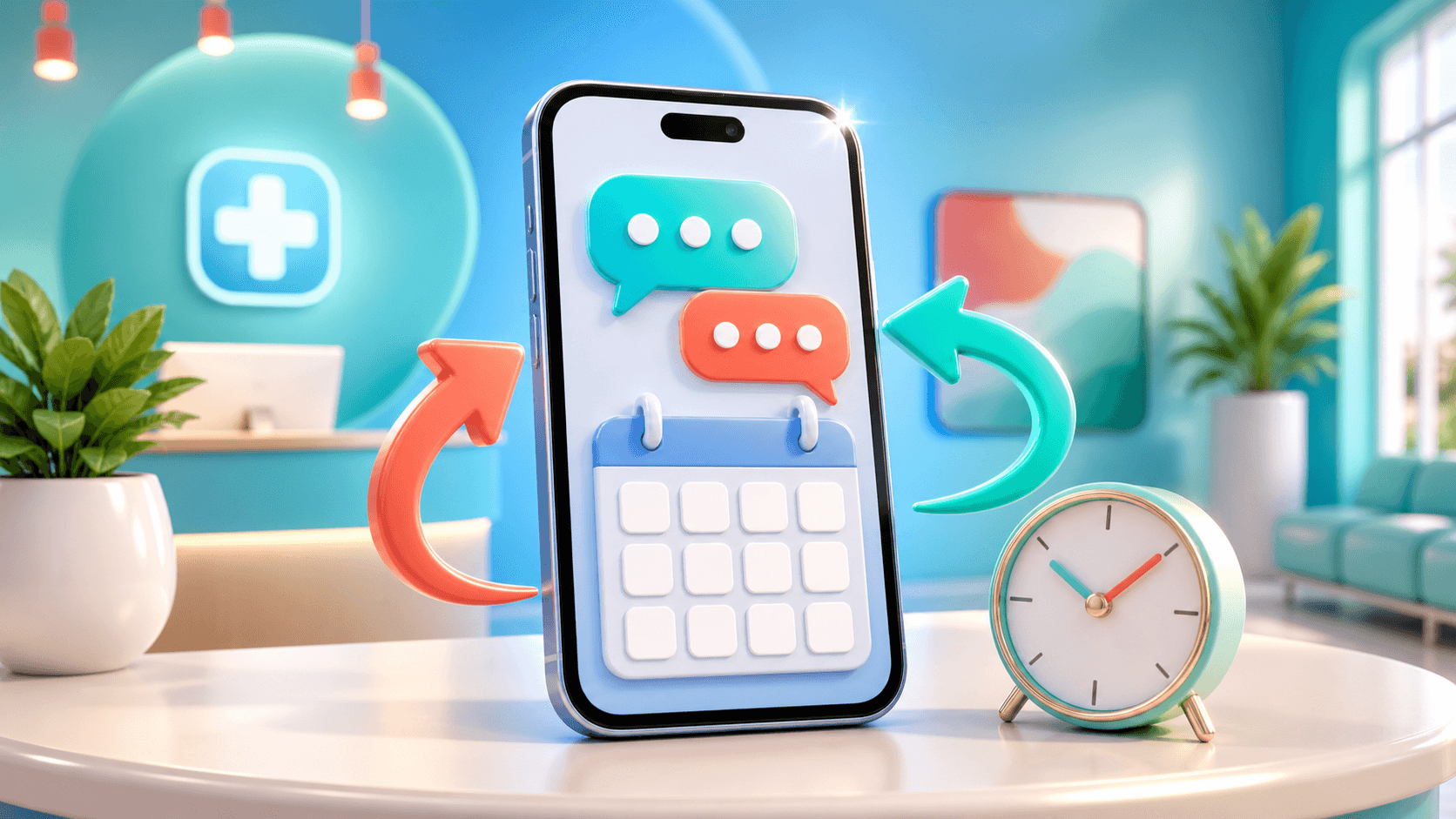
Before a patient arrives, there are instructions to send. After the visit, there may be questions, review requests, and revisit timing to manage. For many clinics, those moments are scattered across calls, text messages, front-desk notes, and staff memory.
K-DIA is built to bring that communication back into one patient-and-clinic app. Its in-app messaging connects appointment guidance, consultation follow-up, review collection, revisit management, CRM activity, and multilingual communication inside a single operational flow.
For a plastic-surgery, dermatology, dental, or medical-tourism clinic, the point is not simply to “send messages.” The point is to make every message easier to understand, assign, follow up, and turn into the next clinic action.
One App for the Moments Around the Visit
The clinic experience does not start at the reception desk. It begins when a patient books, receives instructions, changes a schedule, asks a question, or checks what to do next.
K-DIA’s patient-and-clinic platform gives that journey a clear app-based home. Booking, reminders, consultation messaging, reviews, and revisit prompts live close together instead of being handled as separate fragments.
That matters because patient communication is now part of the service experience. Public health organizations such as the WHO and OECD describe digital health as a broad shift toward connected information, services, and systems, not just a technical upgrade.
For a clinic director, K-DIA turns that shift into a practical front-office tool. The app helps staff guide patients before they arrive, respond after they leave, and keep each next step visible.
Messaging That Carries Patient Context
Phone calls are immediate, but they disappear unless someone writes everything down. Text messages are convenient, but they often sit outside the appointment, consultation, and CRM record.
K-DIA in-app messaging is designed around patient context. Staff can see communication as part of the patient journey, not as an isolated exchange.
That changes the operating rhythm. Instead of asking, “Who spoke to this patient last?” the clinic can work from a clearer thread of booking status, inquiry content, reminders, reviews, and revisit activity.
Table: How K-DIA changes everyday patient communication
| Communication moment | Common phone or text workflow | K-DIA app-based workflow |
|---|---|---|
| Before booking | Staff repeats basic guidance manually | Patient receives app-based booking and reminder flow |
| Before visit | Instructions may be split across channels | Appointment context and messages stay connected |
| After visit | Questions arrive without full context | Follow-up messages can be handled inside the app journey |
| Review request | Staff must remember who to contact | Review collection can be tied to completed visits |
| Revisit timing | Follow-up depends on manual tracking | CRM and revisit prompts keep the next contact visible |
| Foreign patient communication | Channel and language handling vary by case | Multilingual support helps standardize the app experience |
This does not remove the need for staff judgment. It gives staff a better operating surface, so routine communication is easier to coordinate.
From Reminder to Consultation to Next Action
A message is rarely just a message in a clinic. It often points to an action: confirm an appointment, answer a question, request a review, or prepare a revisit.
K-DIA is useful because its messaging works alongside other clinic functions. One-tap booking and reminders reduce avoidable back-and-forth around appointment timing and preparation.
In-app consultation and messaging give patients a consistent place to ask operational questions. Review collection helps the clinic capture feedback at a more natural point in the journey.
Revisit and CRM functions help staff move from “we answered the patient” to “we know what should happen next.” For directors, this is where the app becomes more than a communication channel.
A Better Experience for Foreign Patients
International patients often evaluate clinics before they ever enter the building. They may compare options, ask logistical questions, coordinate travel timing, and expect a polished digital experience.
Google’s consumer insight research has long emphasized that people move across digital touchpoints while making decisions. For medical-tourism operators, that behavior makes consistent communication especially important.
K-DIA’s multilingual support helps clinics offer a more coherent app-based experience for foreign patients. Booking, messaging, reminders, and follow-up can feel like one managed journey rather than a chain of disconnected contacts.
This is not about making clinical promises. It is about reducing operational friction: fewer unclear handoffs, more consistent guidance, and a communication space that patients can return to.
For clinics serving patients from different countries, that consistency becomes part of the service impression. The app helps the clinic look organized before, during, and after the visit.
What the Director Can See Beyond the Conversation
A clinic director does not need to read every message to understand what messaging reveals. Repeated questions, delayed responses, missed revisit opportunities, and review timing all point to operational patterns.
K-DIA helps turn everyday clinic activity into insight. The director can look beyond individual conversations and ask where patients need clearer guidance, where staff time is being absorbed, and which follow-up flows need attention.
This is where messaging becomes management information. The app does not just store contact history; it helps show how the patient journey is actually moving through the clinic.
For example, repeated pre-visit questions may suggest that appointment guidance needs to be clearer. Frequent post-visit operational questions may show where standard messaging can support staff more effectively.
Built for Clinics That Need a Connected Operating Layer
K-DIA is not positioned as a generic chat tool. It is a patient-and-clinic app built around the workflows that matter in aesthetic, dermatology, dental, and medical-tourism settings.
The value is in the combination. Booking, reminders, consultation messaging, reviews, revisit management, CRM, multilingual support, and operational insight work together in one environment.
Table: K-DIA messaging as part of the clinic operating layer
| K-DIA capability | What it supports | Operational difference |
|---|---|---|
| One-tap booking and reminders | Appointment coordination | Fewer scattered scheduling touchpoints |
| In-app consultation and messaging | Patient questions and guidance | Easier access to conversation context |
| Review collection | Post-visit feedback flow | Review requests can follow the visit journey |
| Revisit and CRM | Continued patient contact | Follow-up becomes a managed workflow |
| Multilingual support | Foreign patient communication | More consistent app-based interaction |
| Operational data and insight | Director-level visibility | Repeated patterns become easier to notice |
For a director, this means the app can support both the front desk and the management view. Staff handle communication with more context, while the director sees how patient activity connects to clinic operations.
Clinics evaluating a platform can start with the communication problem they already feel: calls missed during busy hours, messages without context, review requests handled unevenly, or foreign-patient inquiries managed across too many channels.
A K-DIA adoption consultation can focus on those real workflows first. The goal is to map how the app fits the clinic’s current patient journey, then make the connected parts easier to operate.
Sources
- World Health Organization, Digital health: https://www.who.int/health-topics/digital-health
- OECD, Digital health: https://www.oecd.org/health/digital-health.htm
- Ministry of Health and Welfare: https://www.mohw.go.kr
- Think with Google, Consumer Insights: https://www.thinkwithgoogle.com/consumer-insights/
FAQ
Is K-DIA in-app messaging only for patient questions?
No. Messaging works with booking reminders, consultation follow-up, review collection, revisit management, CRM activity, and multilingual patient communication.
How is K-DIA different from using calls or ordinary text messages?
K-DIA keeps communication closer to the patient journey, so staff can understand the context around appointments, inquiries, reviews, and follow-up actions more easily.
Can K-DIA support foreign patient communication?
Yes. K-DIA includes multilingual support, helping clinics provide a more consistent app-based experience for international patients and medical-tourism workflows.
Does K-DIA make medical or treatment outcome claims?
No. K-DIA is an operational platform. It supports scheduling, communication, review collection, CRM, revisit workflows, and clinic insight without making treatment-result promises.
What should a clinic review before adopting K-DIA?
A clinic should review where communication is currently fragmented: appointment reminders, post-visit questions, review requests, revisit timing, foreign-patient handling, and director-level visibility.
Sources
Related articles
Patient Journey
K-DIA Turns Consultation Inquiries into a Connected Booking Journey
See how K-DIA connects consultation, booking, reminders, reviews, revisit CRM, multilingual support and clinic insight in one patient app journey.
Patient Journey
K-DIA Keeps the Patient Journey Connected Beyond Booking
See how K-DIA connects booking, messaging, reviews, revisit CRM, multilingual support, and operational insight in one patient app.
Patient Journey
K-DIA Keeps Patients Connected From Consultation to Booking
How K-DIA connects consultation, booking, reminders, reviews, revisits, multilingual communication, and clinic insight in one patient app.