Data & Insight
K-DIA Booking Conversion Insights: See the Journey Beyond Today’s Appointment
A booking is not the end of a patient journey. For a clinic, it is the beginning of a connected sequence: questions, reminders, arrival, follow-up, reviews, and possible revisits.
K-DIA brings that sequence into one patient-and-clinic app. Instead of treating each interaction as a separate task, it helps clinic teams see and manage how the journey progresses—and where it begins to slow.
One app connects the journey around every booking
K-DIA connects booking, consultation, visits, reviews, and revisit management in a continuous operational flow. Patients use one familiar app, while clinic teams gain a clearer view of the activity surrounding each appointment.
This matters because a confirmed booking alone reveals very little. The team still needs to know whether the patient received key information, asked a question, attended the clinic, shared feedback, or remained engaged afterward.
The K-DIA patient-and-clinic platform organizes these touchpoints around the patient journey. It gives directors a more useful perspective than reviewing today’s appointment list in isolation.
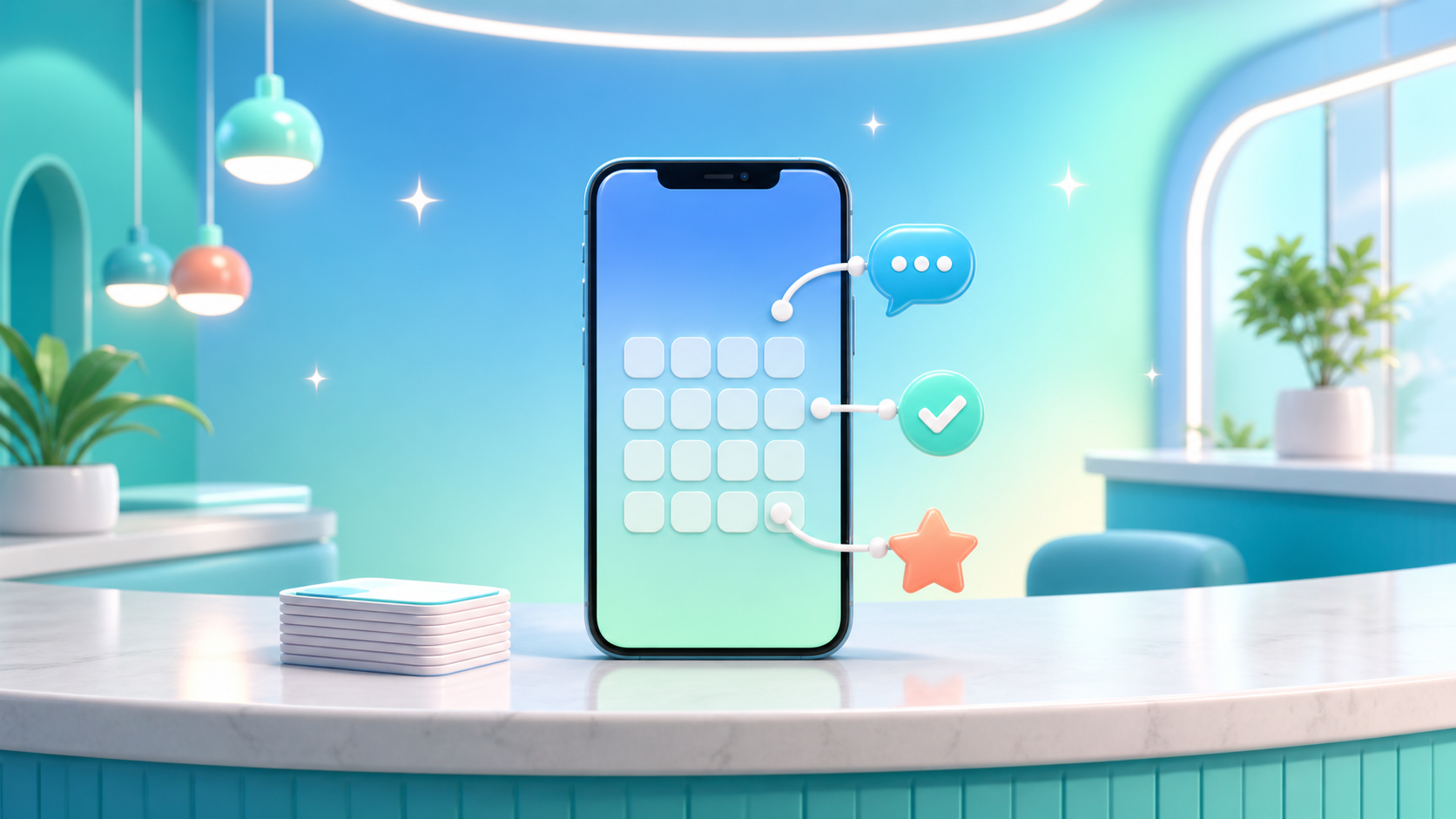
Table: How K-DIA connects patient touchpoints with clinic operations
| Patient touchpoint | K-DIA capability | Operational view for the clinic |
|---|---|---|
| Appointment request | One-tap booking | New demand enters a consistent workflow |
| Before the visit | Reminders and in-app messaging | Questions and pending communication remain visible |
| Consultation stage | In-app consultation | Context stays connected to the patient journey |
| After the visit | Review collection | Feedback becomes an observable follow-up signal |
| Ongoing relationship | Revisit and CRM tools | Continued engagement can be managed systematically |
Digital-health frameworks emphasize the value of well-governed digital tools in supporting health-system processes. K-DIA applies that principle to practical clinic operations without making claims about clinical outcomes. (Source: WHO Digital Health; OECD Health.)
Booking becomes a manageable flow, not a calendar entry
K-DIA’s one-tap booking experience reduces unnecessary steps for patients. Once an appointment is created, reminders help keep essential scheduling information in the same flow rather than relying on scattered manual follow-up.
For reception teams, this creates a more organized starting point. Staff can spend less time reconstructing what happened across disconnected channels and more time responding to the current status of the appointment.
In-app consultation and messaging extend that visibility beyond the booking screen. Pre-visit questions, scheduling clarifications, and operational guidance can remain associated with the patient’s interaction instead of becoming isolated conversations.
A director can then examine where activity continues and where it pauses. A booking followed by active messaging presents a different operational situation from one with no further interaction, even when both appear identical on a basic calendar.
Reminders support consistency
Reminders do not guarantee attendance, and K-DIA does not present them that way. Their role is to make timely communication a built-in part of the workflow, reducing dependence on staff remembering every individual follow-up.
That consistency is especially useful when several coordinators share responsibility for appointments. The clinic can establish a common communication path rather than allowing each booking to be handled differently.
International patients stay within a clearer communication path
For international patients, booking often includes additional coordination. Language differences, time zones, travel planning, and unfamiliar clinic procedures can create more questions before a visit takes place.
K-DIA’s multilingual support helps clinics maintain a more consistent booking and consultation experience across languages. Patients can move through the app with fewer abrupt channel changes, while staff can keep the interaction inside a recognizable workflow.
This is valuable for Korean clinics working with overseas patients and medical-tourism partners. The app provides a shared operational structure from initial booking through consultation and follow-up, even when the patient is not yet in Korea.
K-DIA does not replace the clinic’s responsibility to provide accurate, appropriate information. It gives the team a more orderly environment in which booking-related communication can be delivered and tracked.
Table: Operational differences between fragmented and connected communication
| Workflow area | Fragmented approach | K-DIA-connected approach |
|---|---|---|
| Booking | Requests arrive through unrelated channels | App booking enters a defined patient flow |
| Questions | Context may be split across conversations | In-app messaging keeps activity easier to follow |
| Language support | Experience varies by channel | Multilingual support provides greater consistency |
| Follow-up | Staff recreate context manually | Post-visit activity remains connected |
| Management view | Individual events are reviewed separately | Journey stages can be considered together |
Reviews and revisits reveal what happens after the visit
A patient’s operational journey continues after leaving the clinic. K-DIA includes review collection so feedback is not treated as an unrelated marketing task but as part of the same post-visit sequence.
Review activity offers a practical signal that a patient remained engaged after the appointment. Clinic leaders can observe that activity alongside earlier touchpoints, giving it more context than a standalone review count.
K-DIA’s revisit and CRM capabilities carry the relationship forward. Teams can organize follow-up activity and identify patients whose journey may warrant appropriate operational attention, according to the clinic’s policies and communication practices.
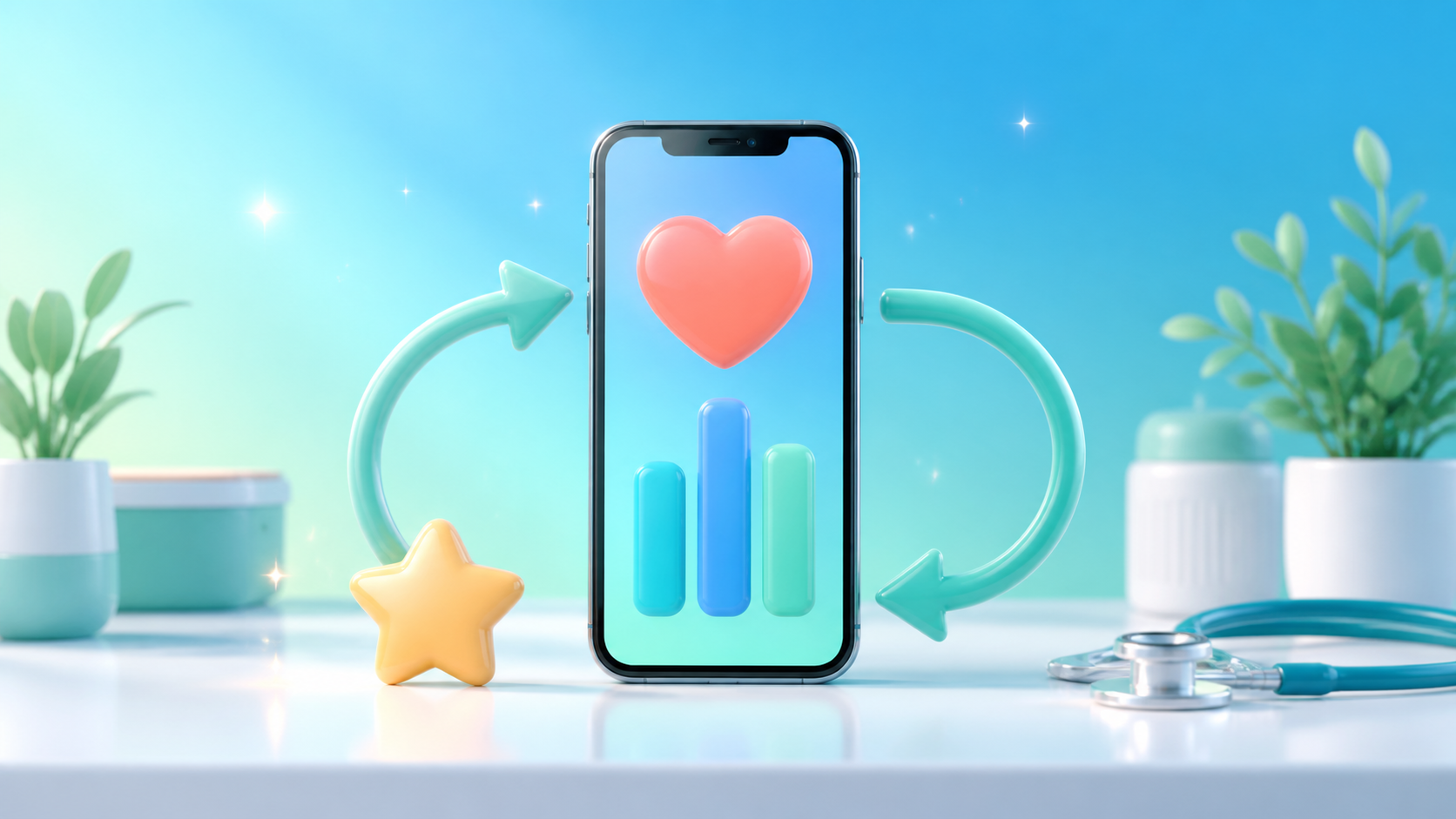
This creates a loop: booking leads to communication and a visit, while reviews and revisit activity return useful signals to patient management. The app helps the clinic see that loop without predicting a particular commercial result.
CRM becomes part of everyday work
A CRM is most useful when it reflects actual workflow rather than becoming another database for staff to maintain. Because K-DIA connects patient actions across stages, revisit management is grounded in the interactions already taking place through the app.
The director gains a clearer basis for asking operational questions. Are patients reaching the consultation stage? Is follow-up activity visible? Are international patients encountering a pause before completing the next step?
Operational insight shows where to examine the workflow
K-DIA turns everyday app activity into operational insight for the clinic director. The purpose is not to assign a simplistic conversion score to every patient, but to make the journey’s stages easier to interpret.
Directors can compare how activity moves from booking to messaging, visits, reviews, and revisits. When a stage repeatedly slows, the clinic has a more specific area to examine—such as reminder timing, response ownership, language coverage, or follow-up procedures.
These signals support workflow decisions rather than automatic conclusions. The clinic still provides the operational context, but K-DIA makes relevant activity easier to see in one place.
Patient data also requires careful governance. Clinics should configure access, retention, communication, and internal handling practices in line with applicable Korean privacy requirements and their professional obligations. (Sources: Personal Information Protection Commission; Korean Law Information Center.)
K-DIA gives clinic operators a connected view of what happens before and after today’s appointment. For teams ready to bring booking, communication, reviews, revisits, and operational insight into one workflow, K-DIA implementation consultation is the practical next step.
Source references: WHO Digital Health, https://www.who.int/health-topics/digital-health; OECD Health, https://www.oecd.org/health/; Personal Information Protection Commission, https://www.pipc.go.kr/; Korean Law Information Center, https://www.law.go.kr/.
FAQ
Does K-DIA replace the clinic’s existing staff communication process?
K-DIA provides a shared app workflow for booking, reminders, consultation, messaging, reviews, and revisits. Clinics can use it to standardize responsibilities while keeping their own approval and escalation procedures.
How does K-DIA help with international patient coordination?
Multilingual support gives international patients a more consistent booking and consultation path. It also helps clinic teams manage communication within a connected workflow before, during, and after a visit to Korea.
What kind of insight can a clinic director gain from K-DIA?
The director can examine how activity continues across booking, messaging, visits, reviews, and revisits. These signals can help identify workflow stages that deserve closer operational review.
Does K-DIA predict treatment or business results?
No. K-DIA supports scheduling, communication, retention workflows, and operational analysis; it does not predict clinical outcomes or guarantee a particular commercial result.
Sources
Related articles
Data & Insight
K-DIA Booking Conversion Insights: From Today’s Appointments to Tomorrow’s Clinic Flow
See how K-DIA connects booking, reminders, consultation, reviews, CRM, multilingual support, and clinic insight in one patient journey.
Data & Insight
How K-DIA Turns Patient Flow Data Into Clinic Operations Insight
See how K-DIA connects booking, consultation, reviews, revisit CRM, multilingual communication, and reports into one clinic operations flow.
Data & Insight
K-DIA Shows Clinic Directors Next Week’s Appointment Demand at a Glance
See how K-DIA turns bookings, reminders, messaging, reviews, revisits and multilingual communication into a clearer operating view for clinics.