App Features
How K-DIA Turns Consultation Inquiries Into Appointment Actions
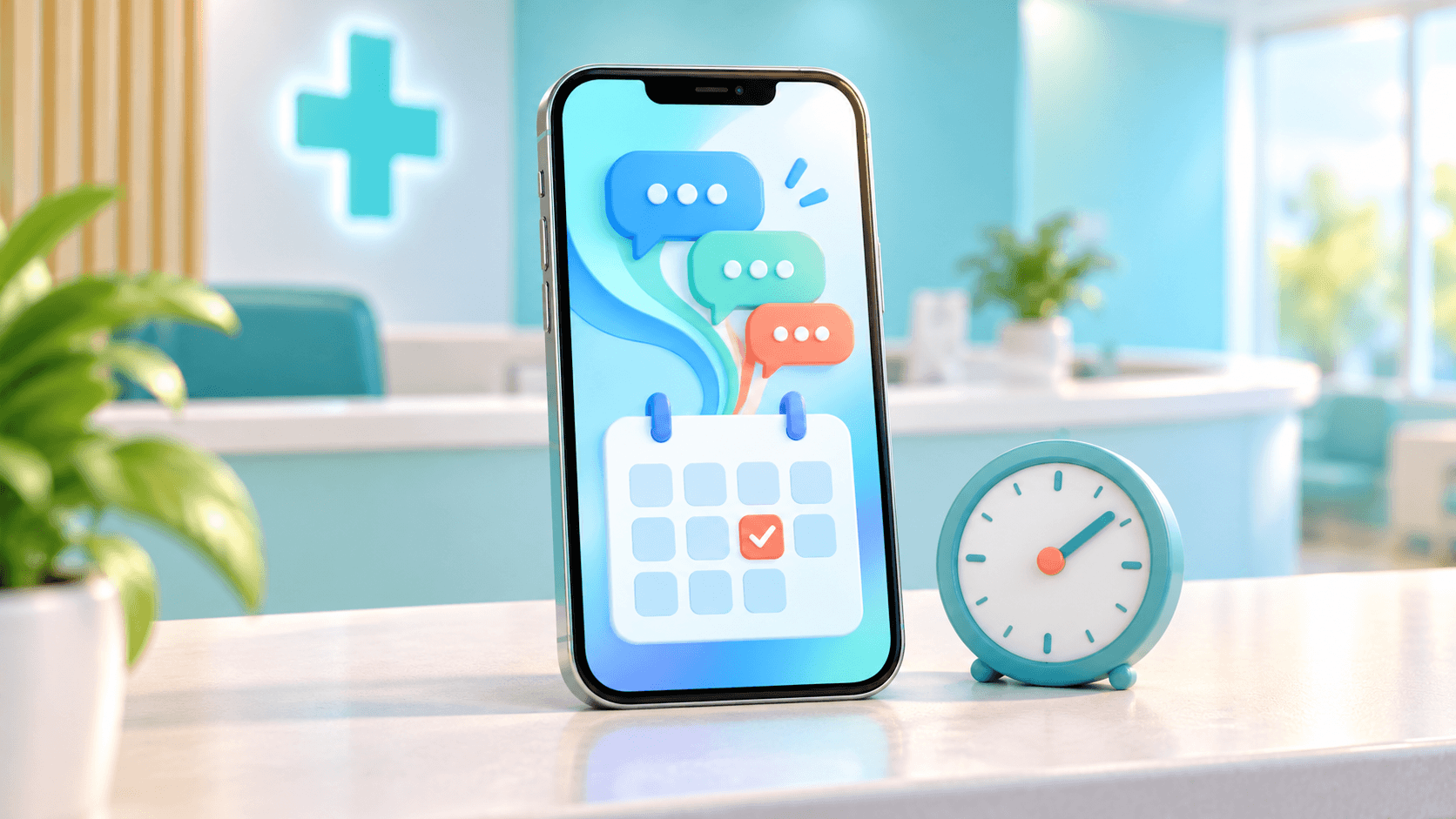
A consultation inquiry is not just a message. For a busy plastic surgery, dermatology, dental, or medical-tourism clinic, it is the start of a workflow.
K-DIA is built around that workflow. It gives clinics one app where inquiry, staff response, booking, reminders, reviews, revisit management, and operational insight can stay connected.
Instead of treating consultation messages as a separate channel, K-DIA helps the clinic guide the patient toward the next action inside the same app experience.
K-DIA Starts Where Patient Interest Appears
Patients often reach out before they are ready to book. They may ask about availability, preparation, location, language support, or what the consultation process looks like.
K-DIA gives the clinic a structured app-based place to continue that conversation. The key difference is that consultation does not sit outside the booking path.
When a patient receives a response through the app, the next step can be clear: choose a visit time, receive confirmation, and keep the appointment details in one place.
For directors evaluating digital operations, this matters because modern healthcare users are already accustomed to digital touchpoints. Public digital-health discussions from WHO, OECD, Google, and Korea’s Ministry of Health and Welfare all point to the growing role of digital access, communication, and service design in healthcare environments.
K-DIA brings that expectation into the clinic’s own patient journey. The app is not a generic messenger; it is a patient-and-clinic platform designed around clinic operations.
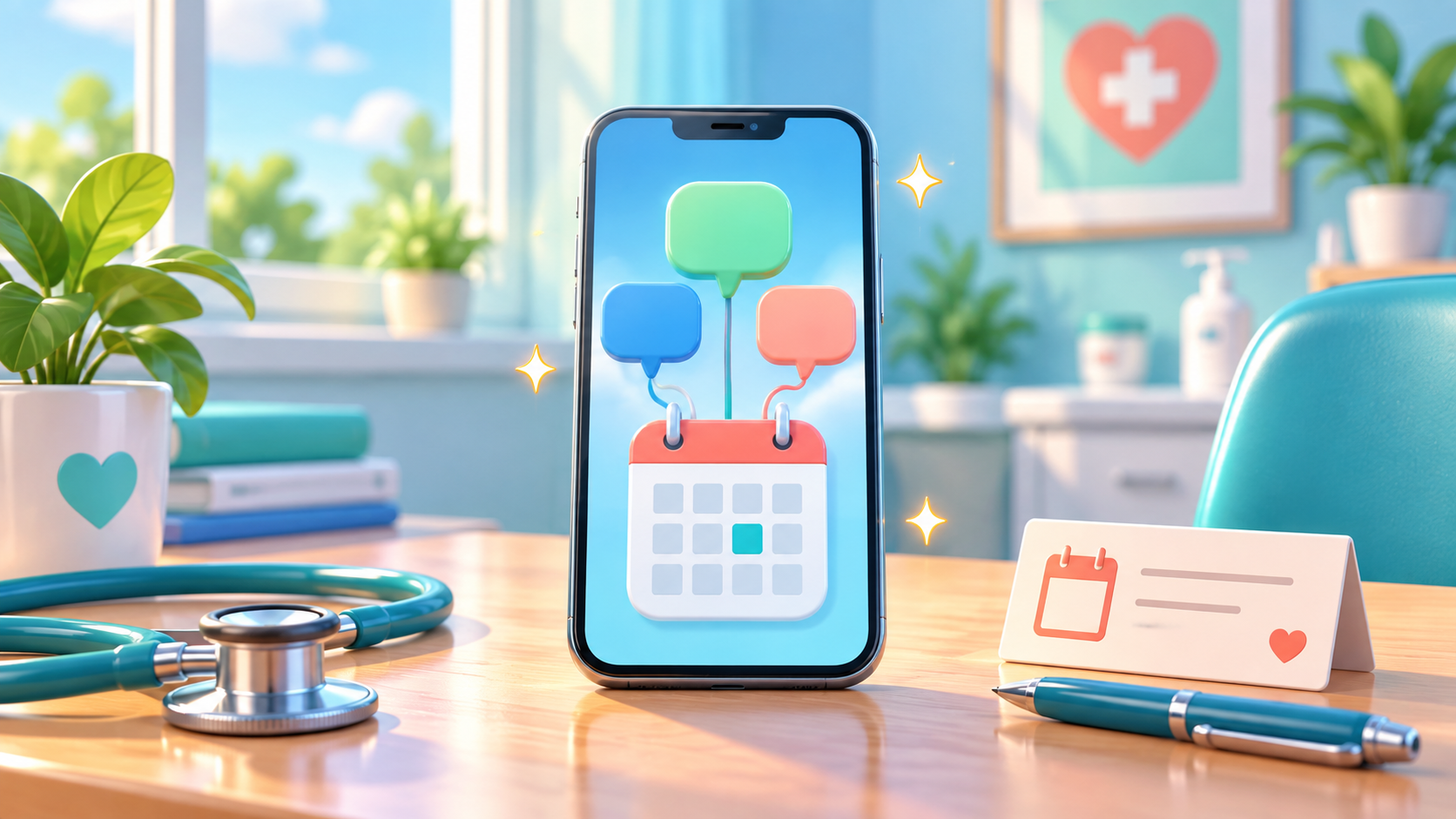
From Consultation Message To Booking Action
A staff member can answer a consultation inquiry, but the operational value comes from what happens next. K-DIA is designed to make that next step visible and convenient.
With K-DIA’s patient-and-clinic app, the patient does not need to search for another booking page after the conversation. The app can keep the inquiry, response, appointment action, and follow-up touchpoints close together.
That helps reduce the friction that appears when staff move between chat apps, spreadsheets, phone notes, and calendar tools. It also gives the clinic a cleaner record of how patient interest moves through the workflow.
Table: How K-DIA connects the post-consultation flow
| Clinic moment | Without an app-centered flow | With K-DIA |
|---|---|---|
| Patient inquiry | Scattered across channels | Received as part of an app journey |
| Staff response | Often separated from booking | Linked to a clear next action |
| Appointment selection | Requires extra guidance | One-tap booking path supports action |
| Pre-visit reminder | Manually repeated by staff | Standardized reminder flow |
| After visit | Follow-up may depend on memory | Reviews and revisit CRM stay connected |
K-DIA does not replace the clinic’s judgment or consultation standards. It supports the operational path around those interactions, so staff can communicate consistently and patients can see what to do next.
One-Tap Booking Makes Staff Communication More Consistent
After a consultation response, patients need a simple way to act. K-DIA’s one-tap booking flow is designed for that moment.
The clinic can guide the patient from interest to appointment selection without forcing a channel switch. That is especially useful when the patient is comparing schedules, coordinating travel, or returning later to complete the action.
Reminders then help standardize pre-visit communication. Instead of staff repeating the same appointment details manually, K-DIA can support a more consistent reminder experience.
This is not about claiming a specific attendance or business outcome. It is about giving the clinic a repeatable workflow for confirmation, timing, and patient communication before the visit.
For clinics serving international patients, this consistency becomes even more important. Multilingual support helps make the app journey easier to follow when the patient is outside Korea or communicating across language barriers.
Reviews And Revisits Stay In The Same App Journey
The patient relationship does not end at the first consultation or first appointment. Clinics need a way to collect feedback, understand revisit timing, and continue communication appropriately.
K-DIA includes review collection and revisit CRM as part of the same connected flow. That means the clinic can manage post-visit engagement without rebuilding the patient journey from scratch each time.
For a director, the practical value is continuity. A patient who came through consultation, booking, reminder, and visit can remain part of an organized app-based relationship.
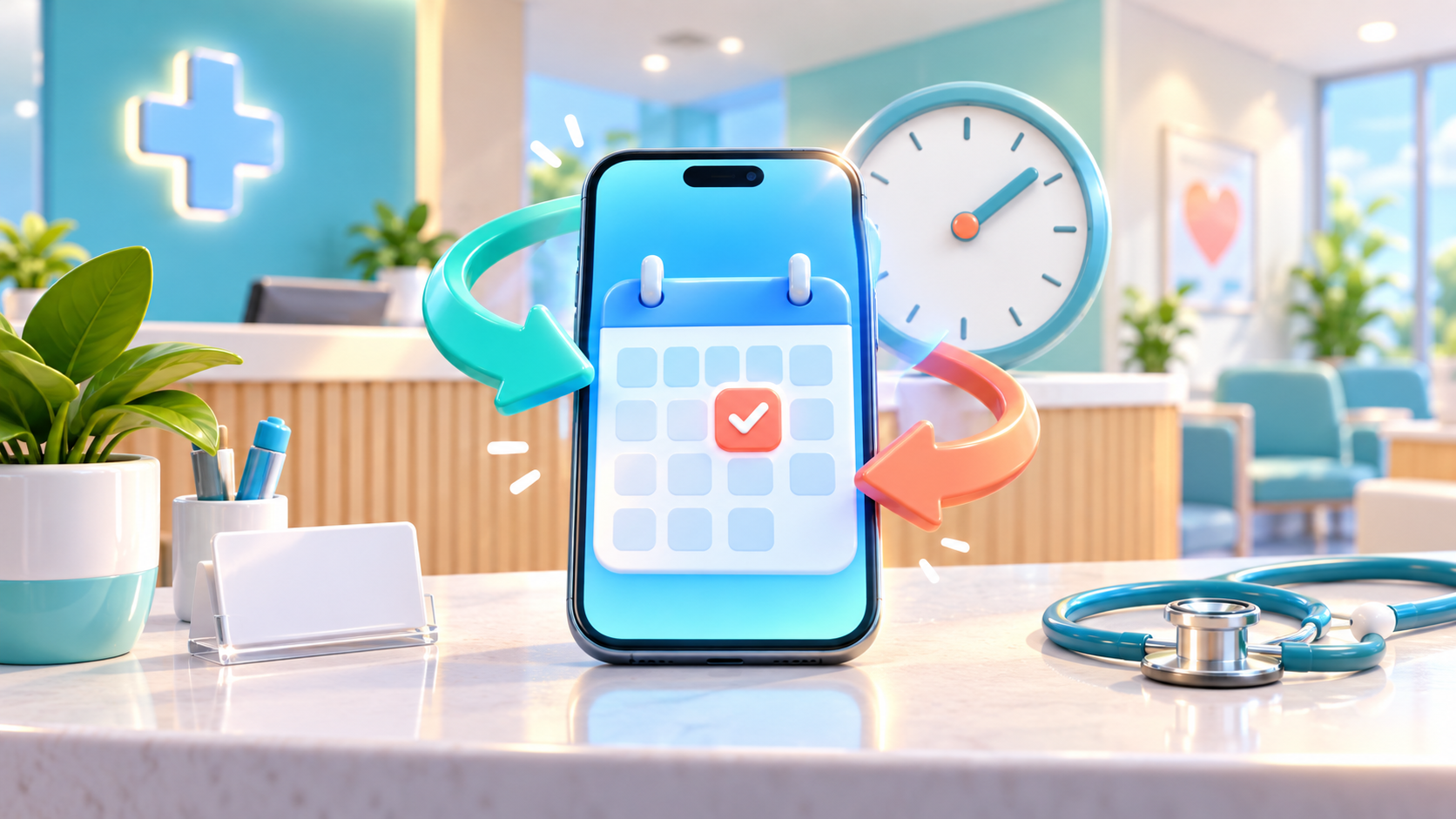
Revisit CRM is especially relevant for clinics with recurring care journeys or periodic check-ins. K-DIA helps the clinic keep that operational memory in the platform rather than relying only on individual staff habits.
Reviews also become easier to request in a timely and structured way. The app gives the clinic a natural place to invite feedback after the appropriate service interaction.
Directors Get A Clearer View Of Operational Movement
K-DIA is not only a patient-facing app. It also helps turn everyday clinic activity into operational insight for the director.
When inquiries, responses, booking actions, reminders, reviews, and revisit activity are connected, the clinic can better see movement across the patient journey. That view is difficult to build when every step lives in a different tool.
The point is not to make medical claims or promise a specific commercial result. The point is to help directors observe workflow patterns and manage the clinic with better operational context.
Table: What directors can observe through a connected K-DIA workflow
| Operational area | What K-DIA helps organize | Why it matters to directors |
|---|---|---|
| Consultation handling | Inquiry and response flow | Shows where patient interest is active |
| Appointment process | Booking and reminder activity | Supports consistent staff operations |
| Patient communication | In-app messages and multilingual support | Reduces fragmented follow-up paths |
| Post-visit engagement | Reviews and revisit CRM | Keeps relationship management visible |
| Management view | Connected activity data | Helps directors discuss workflow with staff |
This kind of operational visibility is especially useful for multi-staff clinics. A director can ask better questions when the patient journey is visible as a process, not hidden inside separate inboxes.
Built For Clinics That Serve Local And International Patients
Korea’s beauty, dermatology, dental, and medical-tourism environments often involve patients who research carefully before booking. Many want fast communication, clear appointment steps, and confidence that the clinic can support their language needs.
K-DIA is designed for that kind of app-centered experience. Consultation messaging, one-tap booking, reminders, reviews, revisit CRM, multilingual support, and insight all belong to one platform story.
For operators managing foreign patient inquiries, the app can help keep the patient journey more coherent. A patient can move from question to appointment action with less dependence on scattered channels.
The clinic still controls its standards, staffing, schedules, and patient communication policies. K-DIA simply gives those operations a modern app layer that patients and staff can both recognize.
Why The App-Centered Flow Matters Now
Digital healthcare discussions increasingly focus on access, communication, and the responsible use of data. Clinic directors do not need another abstract trend report; they need tools that fit the daily rhythm of reception, consultation, booking, follow-up, and management.
K-DIA makes that rhythm visible in one app. It helps staff respond, helps patients act, and helps directors understand how the clinic’s operational journey is moving.
For clinics ready to connect inquiry, appointment action, reviews, revisits, and multilingual patient support, a K-DIA introduction consultation is the natural next step.
K-DIA is the app layer between patient intention and clinic operation. For directors, that is where a modern patient journey becomes easier to manage, discuss, and improve.
FAQ
Is K-DIA only for appointment booking?
No. Booking is a core feature, but K-DIA also supports in-app consultation, reminders, review collection, revisit CRM, multilingual patient communication, and operational insight.
How does K-DIA help after a consultation inquiry?
It keeps the response and next appointment action close together, so patients can move from message to booking without switching across disconnected channels.
Can K-DIA support clinics with international patients?
Yes. K-DIA includes multilingual support, making it useful for clinics and medical-tourism operators that manage inquiries from patients outside Korea.
Does K-DIA make clinical or treatment-result claims?
No. K-DIA is positioned around clinic operations, patient communication, scheduling, reviews, revisit management, and data visibility, not clinical efficacy.
Sources
Related articles
App Features
K-DIA Messaging Gives Clinic Directors a Clearer View of Patient Responses
See how K-DIA connects patient questions, clinic replies and consultation records, helping directors review follow-up needs and staff handoffs.
App Features
K-DIA Remembers the Right Moment: A Smarter Review Flow for Clinics
See how K-DIA connects appointments, patient communication, review collection, multilingual follow-up and revisit CRM in one continuous workflow.
App Features
How K-DIA Automates Review Requests at the Right Moment After Visits
K-DIA helps clinics request reviews as part of the patient journey, connecting booking, messaging, revisits, CRM, and insight in one app.