Onboarding
K-DIA Makes Clinic App Adoption Smooth Without Leaving Existing Patients Behind
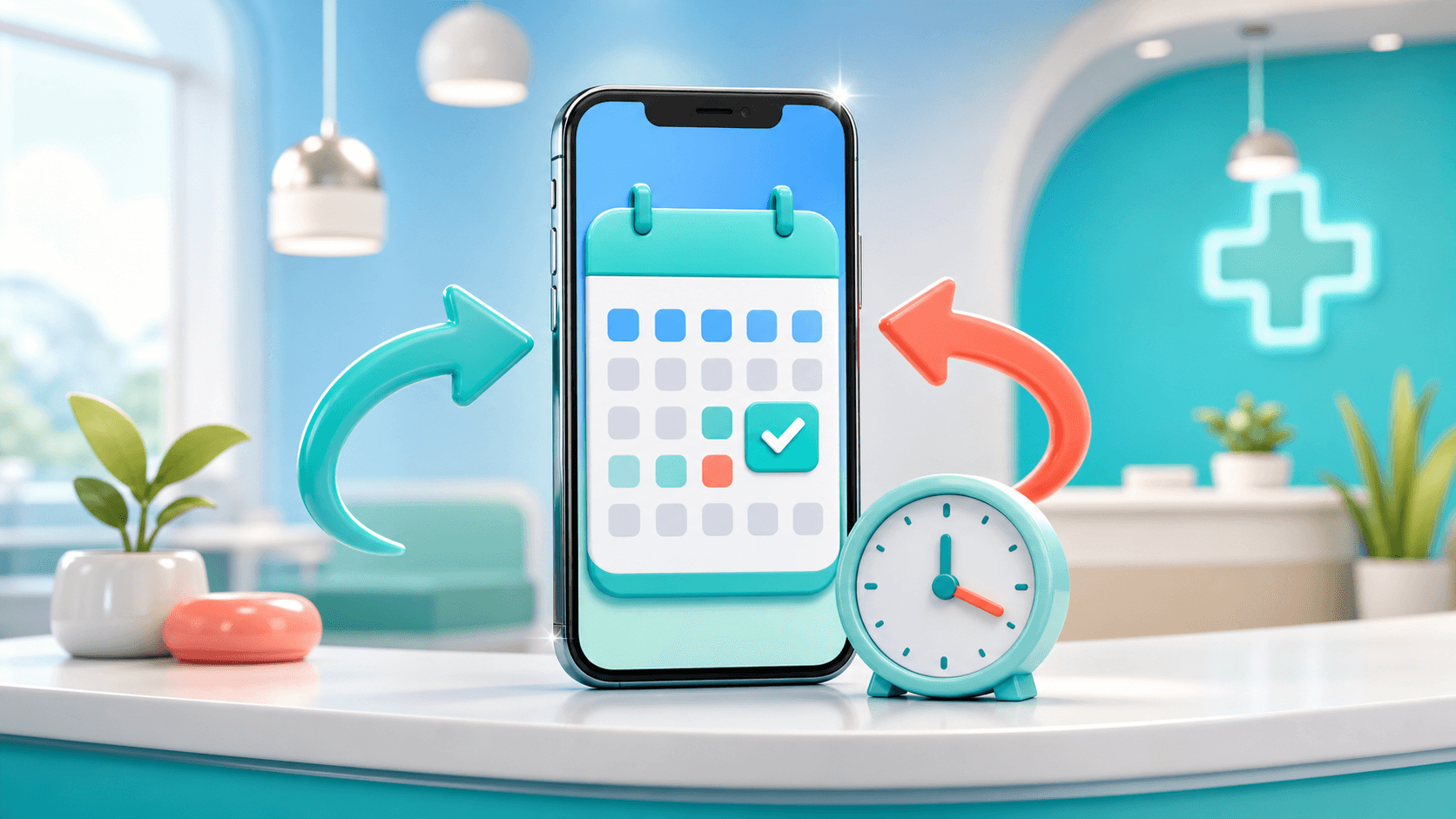
For a busy aesthetic, dermatology, dental, or medical-tourism clinic, adopting a patient app should not feel like replacing the clinic overnight. K-DIA is designed as a continuity layer: the patient touchpoints your team already manages can move into one app, step by step.
Instead of asking staff to rebuild every workflow from zero, K-DIA brings appointment booking, reminders, in-app consultation, review collection, revisit management, CRM, multilingual support, and operational insight into a connected platform. That matters because digital health is no longer a side project; organizations such as the World Health Organization and OECD describe digital health as a core part of modern health-system transformation.
App Adoption Should Start From Existing Patient Behavior
Most clinics already have digital behavior around them. Patients message before visiting, confirm appointment times, ask follow-up questions, leave reviews, and expect timely reminders.
The problem is that these activities often sit across separate channels. Booking records may live in one place, consultation messages in another, review requests somewhere else, and revisit reminders inside a staff member’s personal routine.
K-DIA gives the clinic a more continuous path. Existing patient interactions can be guided into one branded app experience, so the patient does not feel the clinic has become harder to reach.
For the director, this changes the meaning of app adoption. The goal is not simply “launch an app.” The goal is to make the app the natural home for the clinic’s everyday patient journey.
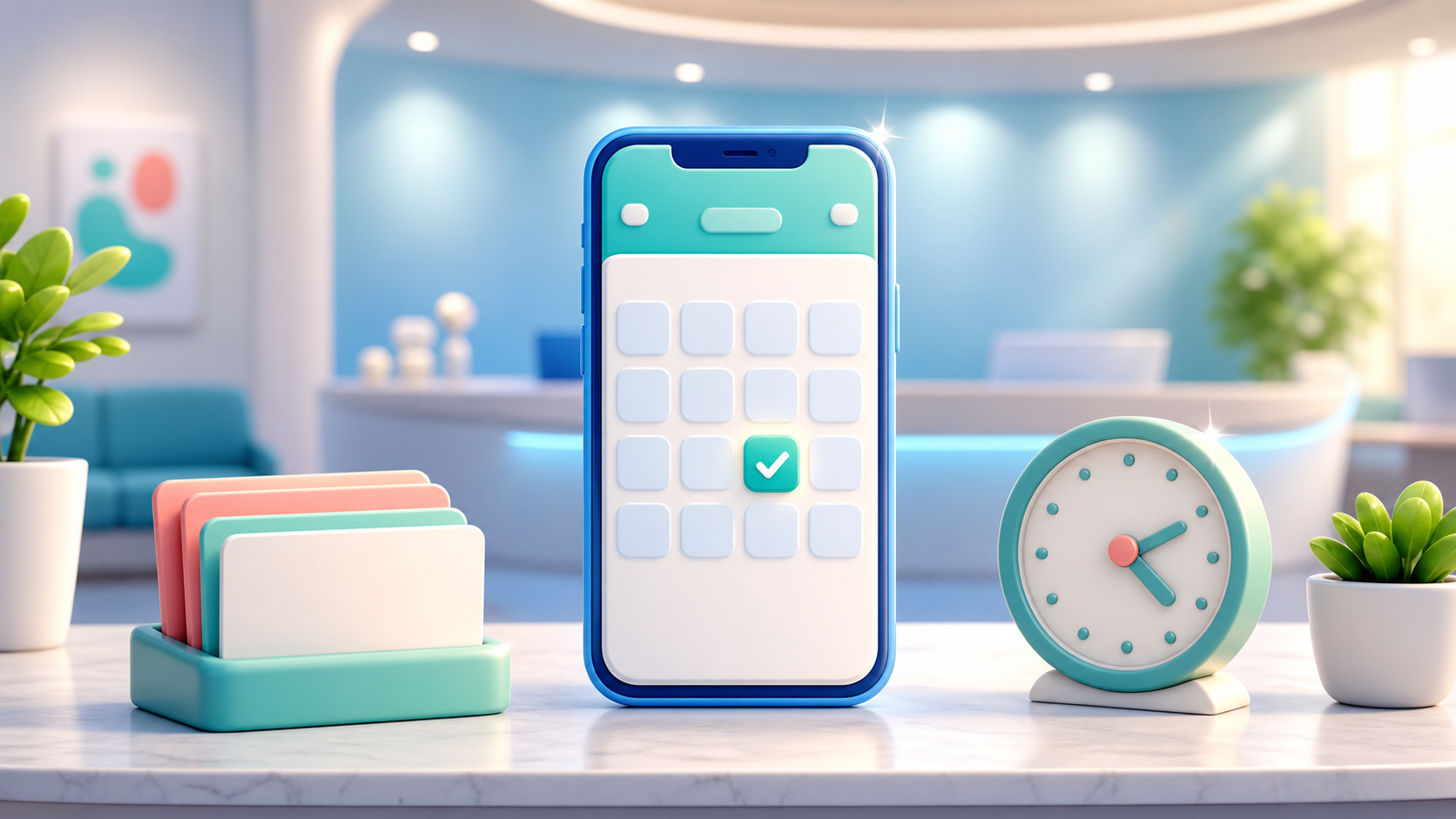
From Reception Desk Flow To One-Tap Booking
Appointment management is usually the first place where an app proves its value. K-DIA supports one-tap booking and appointment reminders, helping patients act without waiting for back-and-forth confirmation.
For staff, this means less switching between manual notes, chat windows, and reminder lists. The app becomes a shared point of reference for the patient’s scheduled visit and related communication.
This does not remove the clinic’s judgment from scheduling. It gives the team a clearer operational surface, so appointment-related steps can be handled more consistently.
Table: How K-DIA Moves Existing Touchpoints Into One App
| Existing clinic touchpoint | Common fragmentation | K-DIA app experience |
|---|---|---|
| Appointment booking | Phone, chat, manual notes | One-tap booking and reminders |
| Pre-visit questions | Separate message threads | In-app consultation and messaging |
| Post-visit review request | Staff-dependent follow-up | Structured review collection |
| Revisit reminders | Calendar notes or memory | Revisit and CRM workflows |
| Foreign-patient communication | Ad hoc translation support | Multilingual app support |
| Director reporting | Verbal staff summaries | Operational data and insight |
The practical advantage is continuity. Patients keep doing familiar things, but the clinic gradually redirects those actions into a cleaner digital environment.
For clinics evaluating a patient platform, the K-DIA patient-and-clinic app is best understood as an operating layer for these recurring interactions, not just a booking screen.
Consultation, Messaging, And Follow-Up Belong Together
In high-touch clinics, communication does not happen only before the appointment. Patients may ask about preparation, arrival time, documents, payment flow, or follow-up scheduling.
When these messages are scattered, the clinic relies heavily on individual staff memory. That can make service quality feel uneven, especially during peak hours or staff changes.
K-DIA’s in-app consultation and messaging help keep the communication thread closer to the patient journey. Appointment alerts, questions, and follow-up flows can be managed in one place.
This is especially useful for directors who want a clearer view of clinic operations. Instead of hearing only that “many patients asked about scheduling today,” the director can look at app activity patterns and see where patient demand is forming.
Reviews And Revisits Become A Managed Workflow
Review collection is often treated as a separate task after the visit. Revisit management can become another separate routine, depending on who remembers to contact which patient and when.
K-DIA connects these moments inside the same app environment. A clinic can guide review collection, revisit reminders, and CRM activity through a more structured patient communication path.
That structure does not guarantee a specific business outcome, and it should not be framed that way. What it does is make follow-up less dependent on scattered manual habits.
For directors, this is a management issue as much as a marketing issue. A review or revisit reminder is not just a message; it is part of how the clinic maintains continuity after the appointment.
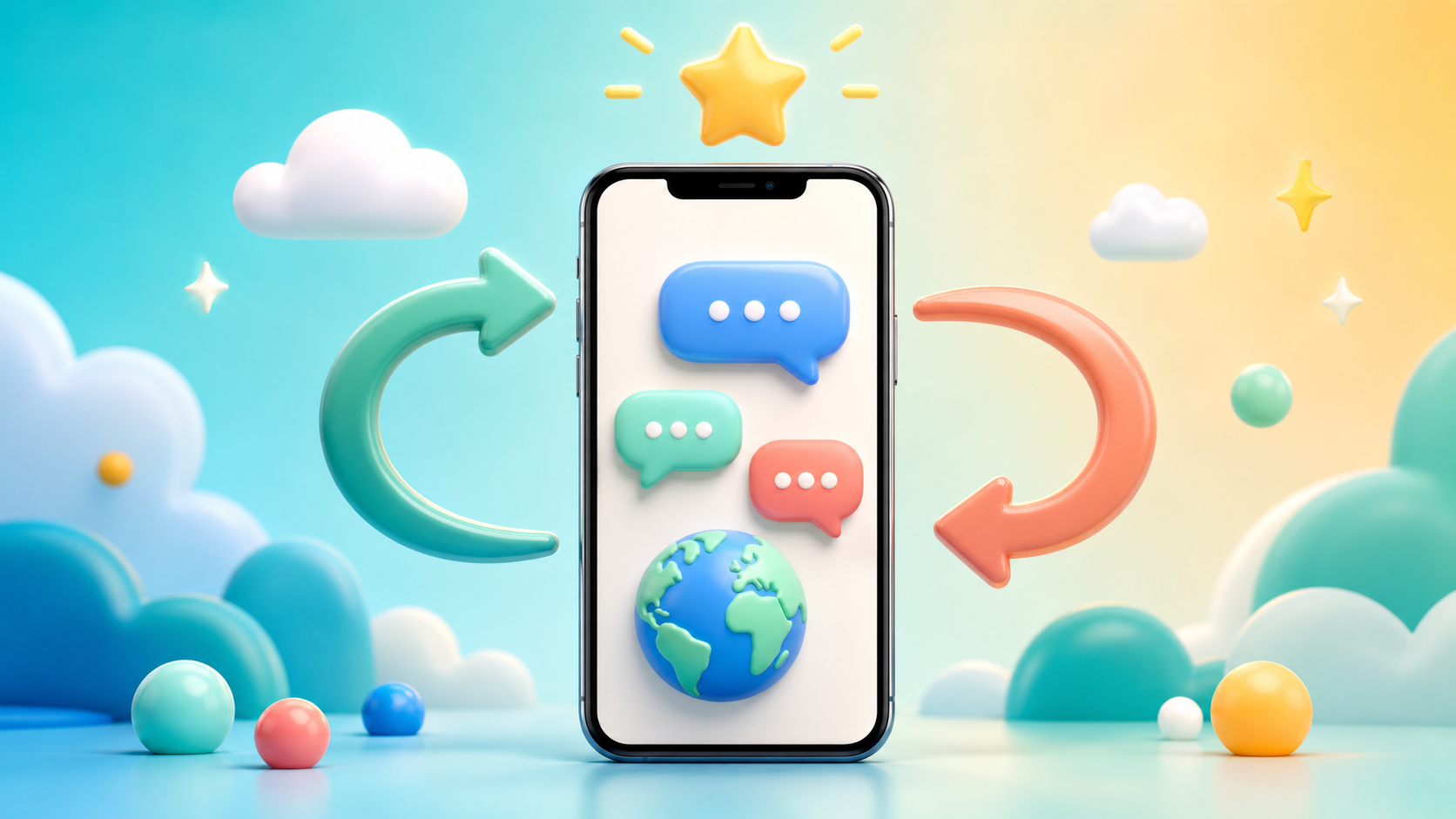
Multilingual Support Matters For Korea-Facing Clinics
Clinics serving foreign patients face a different operational challenge. A patient may be comparing options before arriving in Korea, coordinating travel, asking questions in another language, and needing clear appointment guidance.
K-DIA’s multilingual support helps clinics manage that communication more consistently. It gives international patients a more understandable app-based pathway for booking, consultation, and follow-up.
For medical-tourism operators and clinics with foreign-patient programs, this matters because communication gaps can become operational friction. The app helps reduce that friction by keeping core touchpoints inside one platform.
Korean healthcare providers also operate within a regulated environment. Directors should continue to align patient communication, advertising, consent, and data handling with applicable Korean regulations and professional guidance from official sources such as the Ministry of Health and Welfare and Korea Law Information Center.
Operational Insight Comes From Everyday App Activity
Many directors still manage the clinic partly through staff impressions: which time slots feel crowded, which patients need follow-up, which communication issues keep repeating.
Those impressions are useful, but they are incomplete. K-DIA turns everyday app activity into operational insight, giving the director a more concrete view of patient flow, communication demand, revisit activity, and CRM touchpoints.
This is where the app becomes more than a patient convenience tool. It becomes a management interface for the clinic’s recurring work.
Table: What Directors Can Read From K-DIA Activity
| App activity area | What the clinic can observe | Management value |
|---|---|---|
| Booking and reminders | Appointment demand and confirmation flow | Clearer scheduling operations |
| Messaging and consultation | Repeated patient questions | Better staff coordination |
| Reviews | Post-visit response activity | More organized reputation workflow |
| Revisit and CRM | Follow-up touchpoints | More consistent patient continuity |
| Multilingual use | Foreign-patient communication needs | Stronger international service process |
The point is not to replace the director’s judgment with a dashboard. It is to give that judgment better evidence from the clinic’s own daily activity.
A Smooth Transition Is A Product Decision
A clinic app succeeds when patients and staff can adopt it without feeling forced into an unfamiliar process. K-DIA’s value is that it collects the clinic’s familiar touchpoints and gives them a more connected app-based home.
Booking, reminders, messaging, consultation, reviews, revisits, CRM, multilingual support, and operational insight all point in the same direction: fewer disconnected handoffs and a clearer view of the patient journey.
For clinic directors comparing options, the right question is not only whether an app has many features. The stronger question is whether the app can carry the clinic’s existing patient relationships forward. To discuss how that transition could look for your clinic, request a K-DIA adoption consultation.
FAQ
Does K-DIA replace our existing clinic staff workflow immediately?
No. K-DIA is positioned as a continuity process. Clinics can guide existing booking, messaging, review, revisit, and CRM touchpoints into the app instead of treating adoption as a sudden operational restart.
Which clinic operations can K-DIA centralize?
K-DIA brings together one-tap booking, appointment reminders, in-app consultation and messaging, review collection, revisit management, CRM activity, multilingual support, and operational insight.
How does K-DIA help clinics serving foreign patients?
Its multilingual support helps clinics manage booking, consultation, and follow-up communication more consistently for international patients, including Korea-facing medical-tourism workflows.
Does K-DIA guarantee more patients or better treatment results?
No. K-DIA is an operations and patient-communication platform. It supports workflow continuity, communication, follow-up, and insight, but it does not make clinical outcome or guaranteed growth claims.
What should directors consider before adopting K-DIA?
Directors should map current patient touchpoints, identify where communication is fragmented, and consider how booking, consultation, reviews, revisits, and CRM can move into one app-based workflow.
Sources
Related articles
Onboarding
How K-DIA Eases Repetitive Booking and Consultation Tasks for Clinic Staff
Explore how K-DIA supports booking, reminders and patient messaging, with a practical rollout approach for clinic teams and international patient coordinators.
Onboarding
K-DIA Onboarding: A Clinic App Patients Can Use from Day One
How K-DIA helps clinics launch booking, reminders, consultation, reviews, revisit CRM, multilingual flows, and operational insight without building a custom app.
Onboarding
Why K-DIA Onboarding Makes Clinic App Adoption Easier
K-DIA onboarding helps clinics turn existing booking, consultation, review, revisit, and foreign-patient workflows into one app-based operating flow.